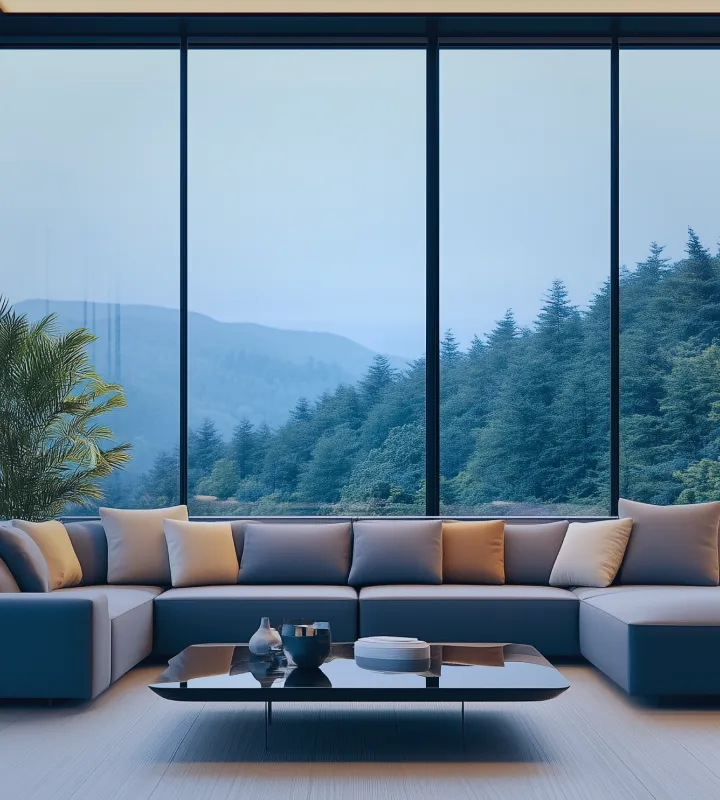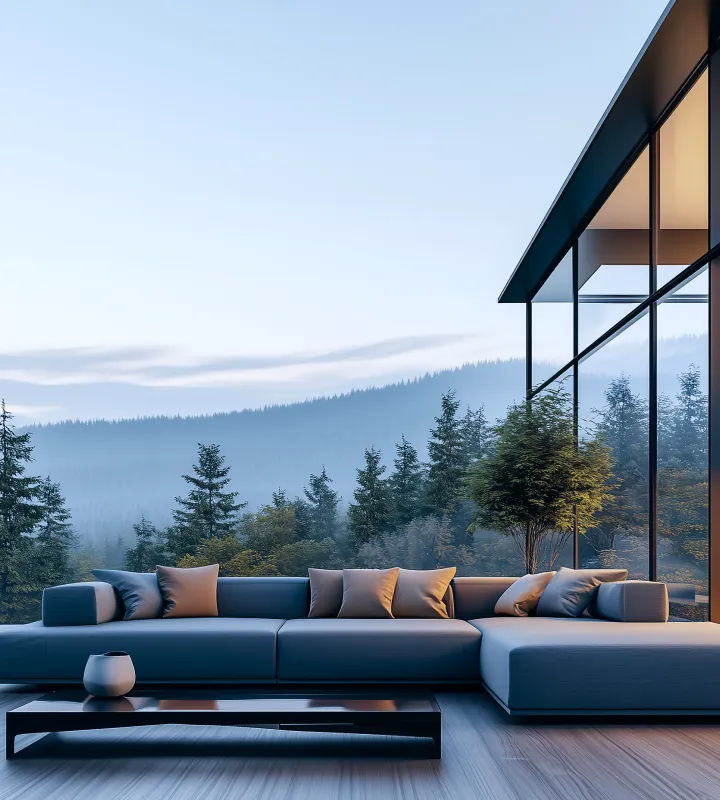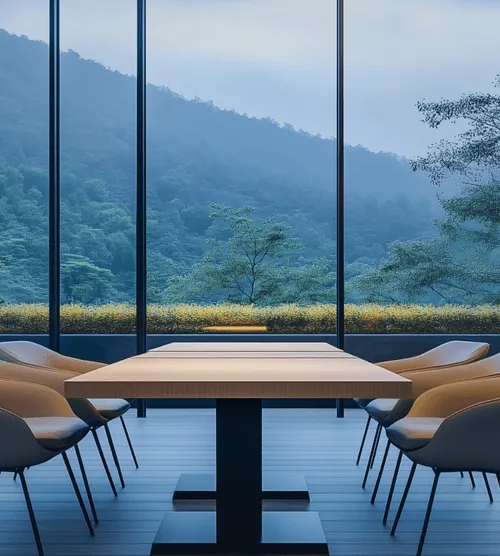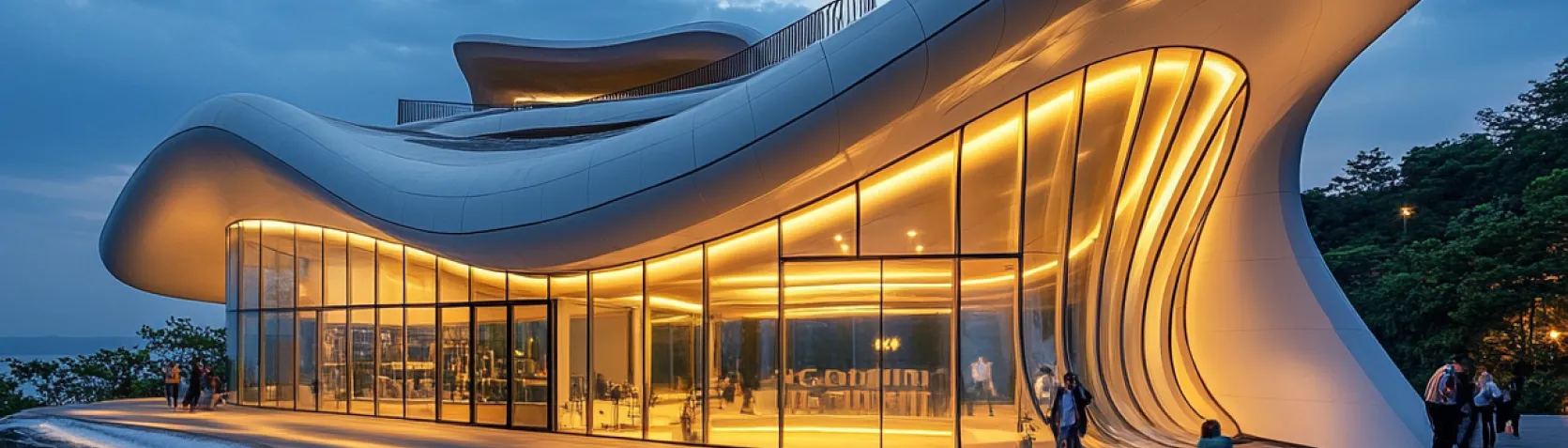
Daylight is the material our clients ask for most. During the past year we studied how light moves through our workplace portfolio and translated the findings into practical guidelines that any project team can use.
It starts with orientation. We prioritize north and east exposures for focus areas, then layer adaptable shading on warmer facades so lounges still feel bright without introducing glare. Pairing this strategy with light-toned finishes keeps spaces calm, not clinical.
Three moves we now bake into every brief
- Design soffits and ceilings that bounce light deeper into the plan, minimizing the contrast between core and perimeter.
- Combine sheer fabrics with automated roller shades so teams can fine-tune light levels throughout the day.
- Anchor collaboration zones with tactile materials—stone, limewash, or wood—that absorb excess brightness and make daylight feel warmer.
“Calm environments happen when daylight, acoustics, and materiality reinforce one another. None of those elements can be an afterthought.”
These choices improve wellbeing metrics, but they also reduce our reliance on artificial lighting. By shaping envelopes and interiors around daylight we routinely cut connected lighting loads by 18–25%, helping clients reach their sustainability goals while giving teams the serenity they crave.